Volume(s): the Essence of Form
Research Project / Experimental Image-Making
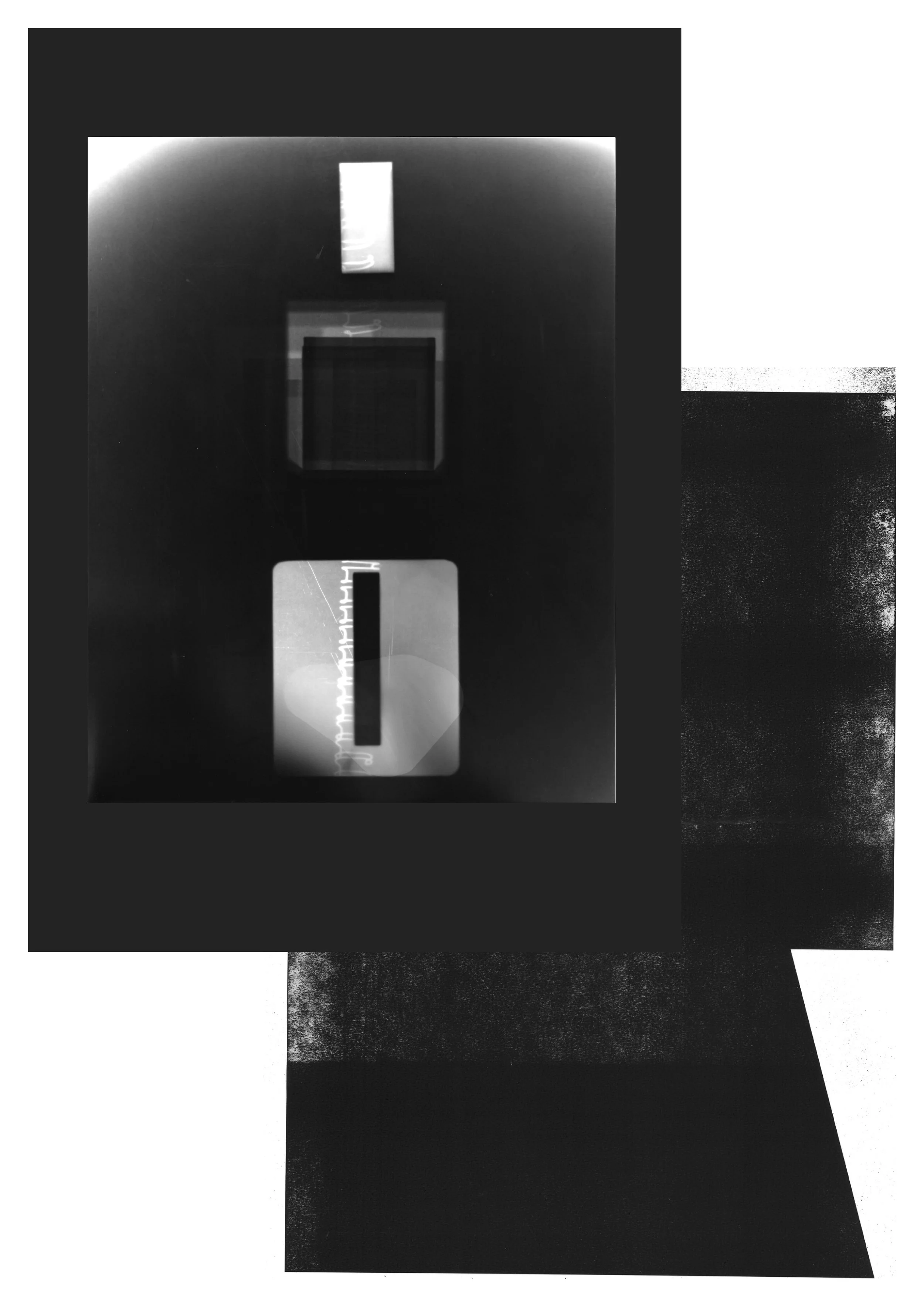
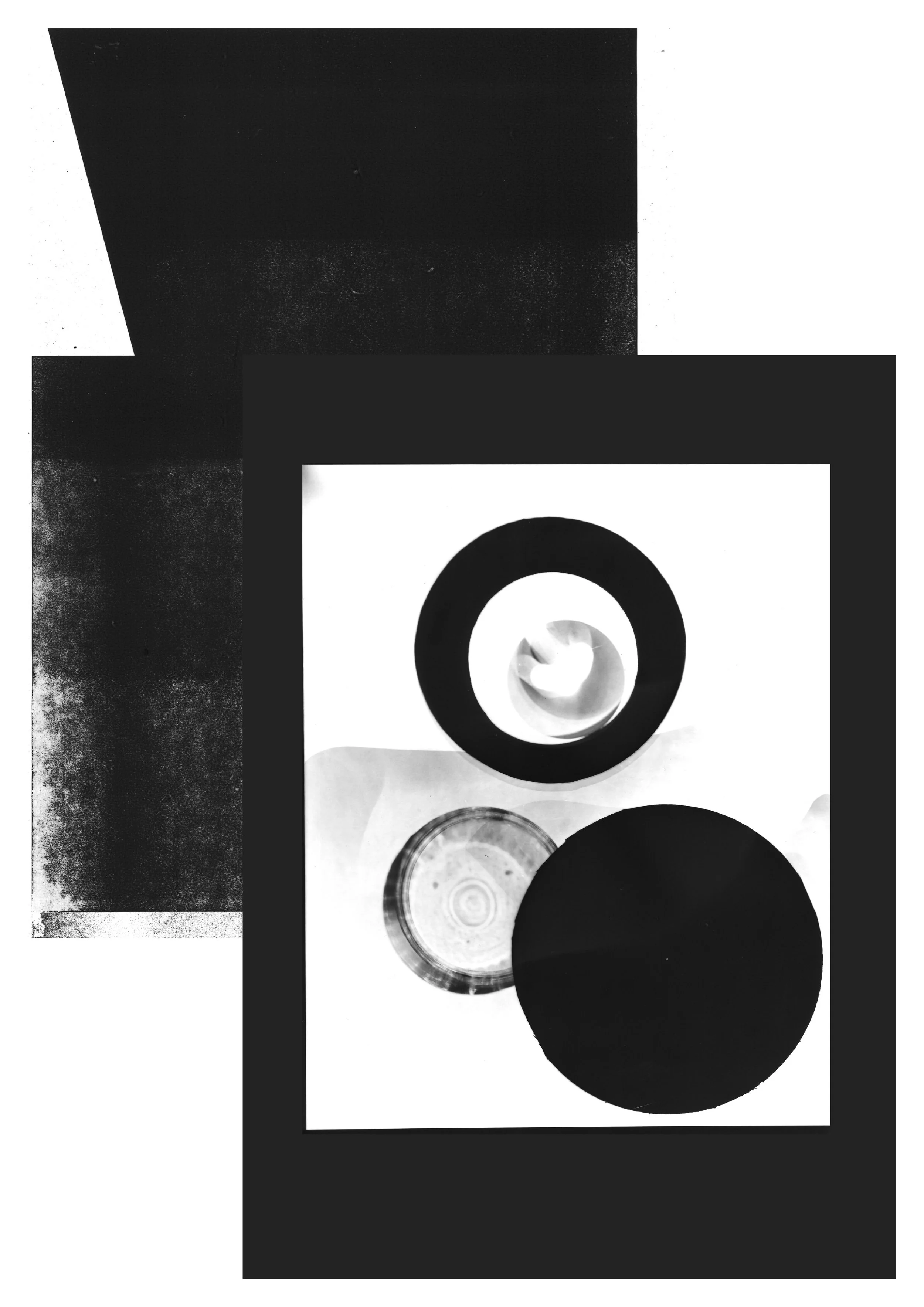
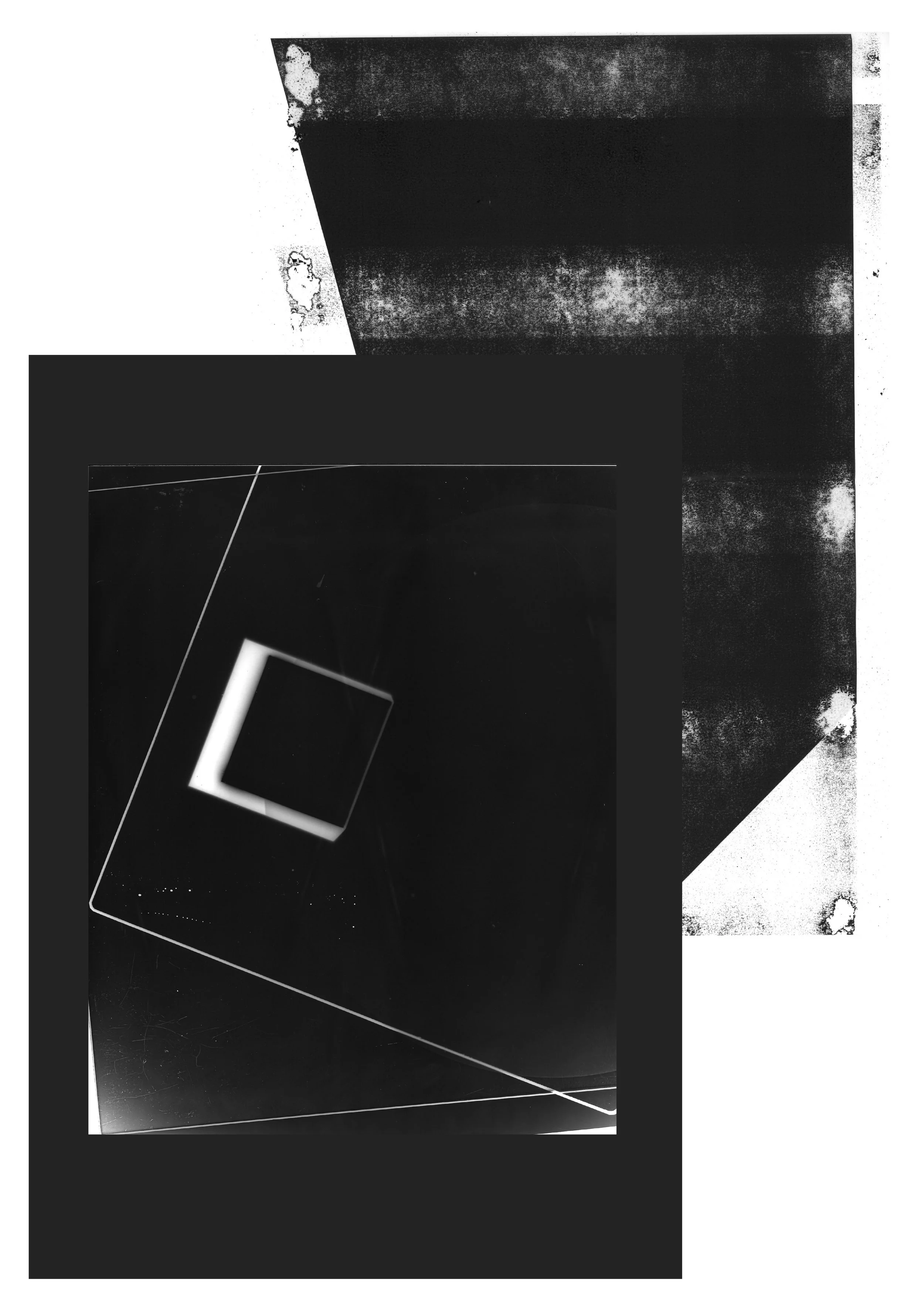
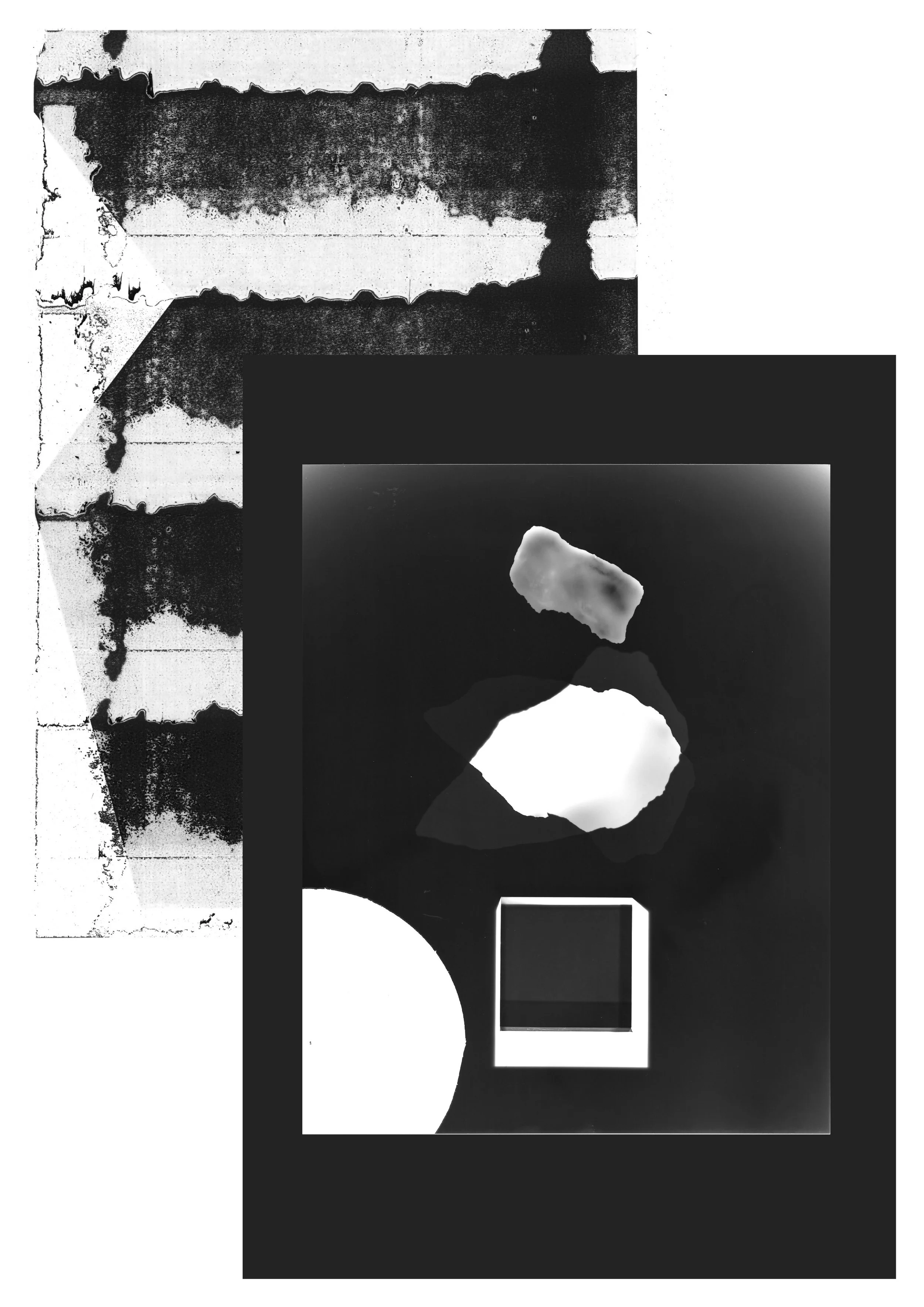
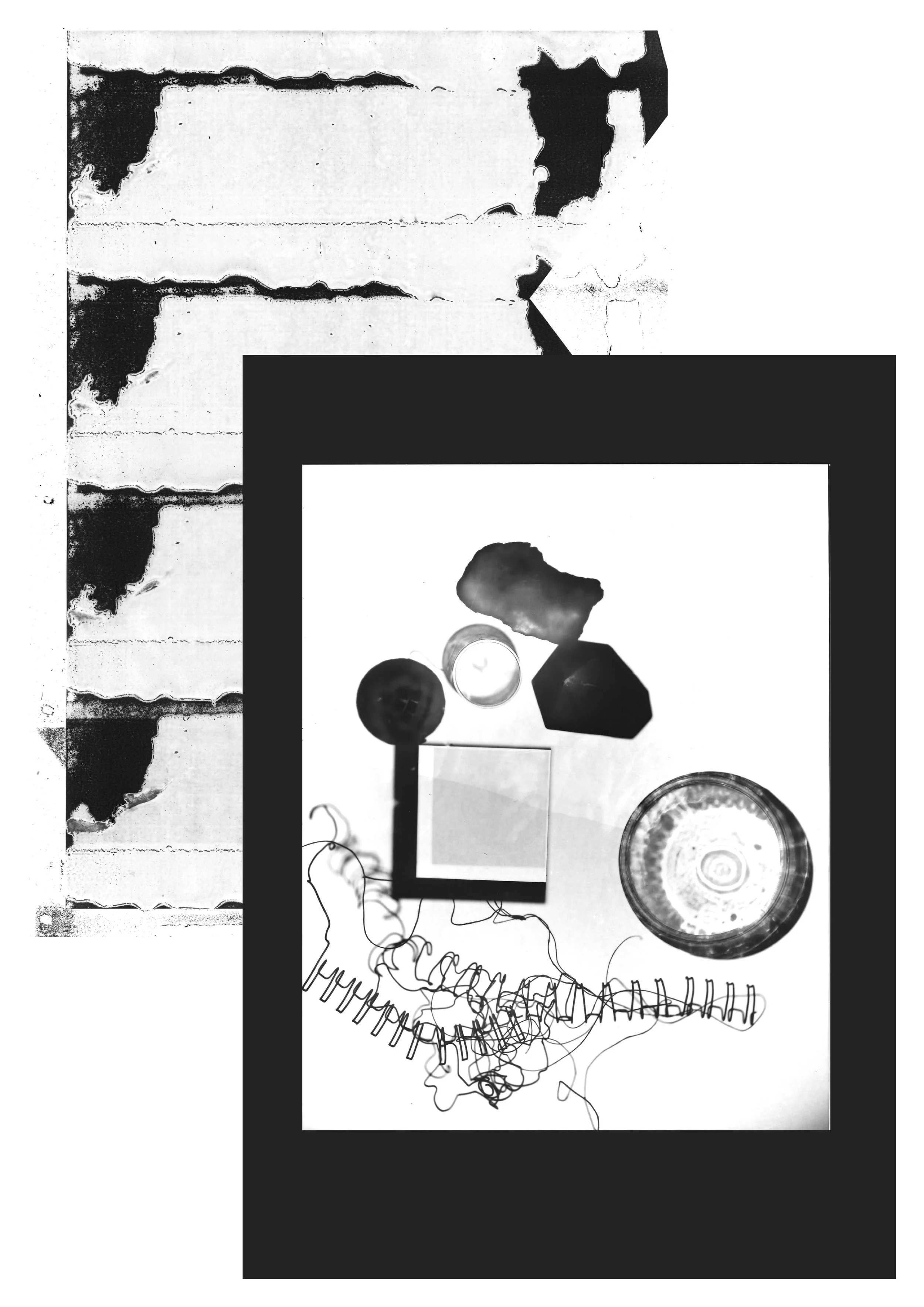
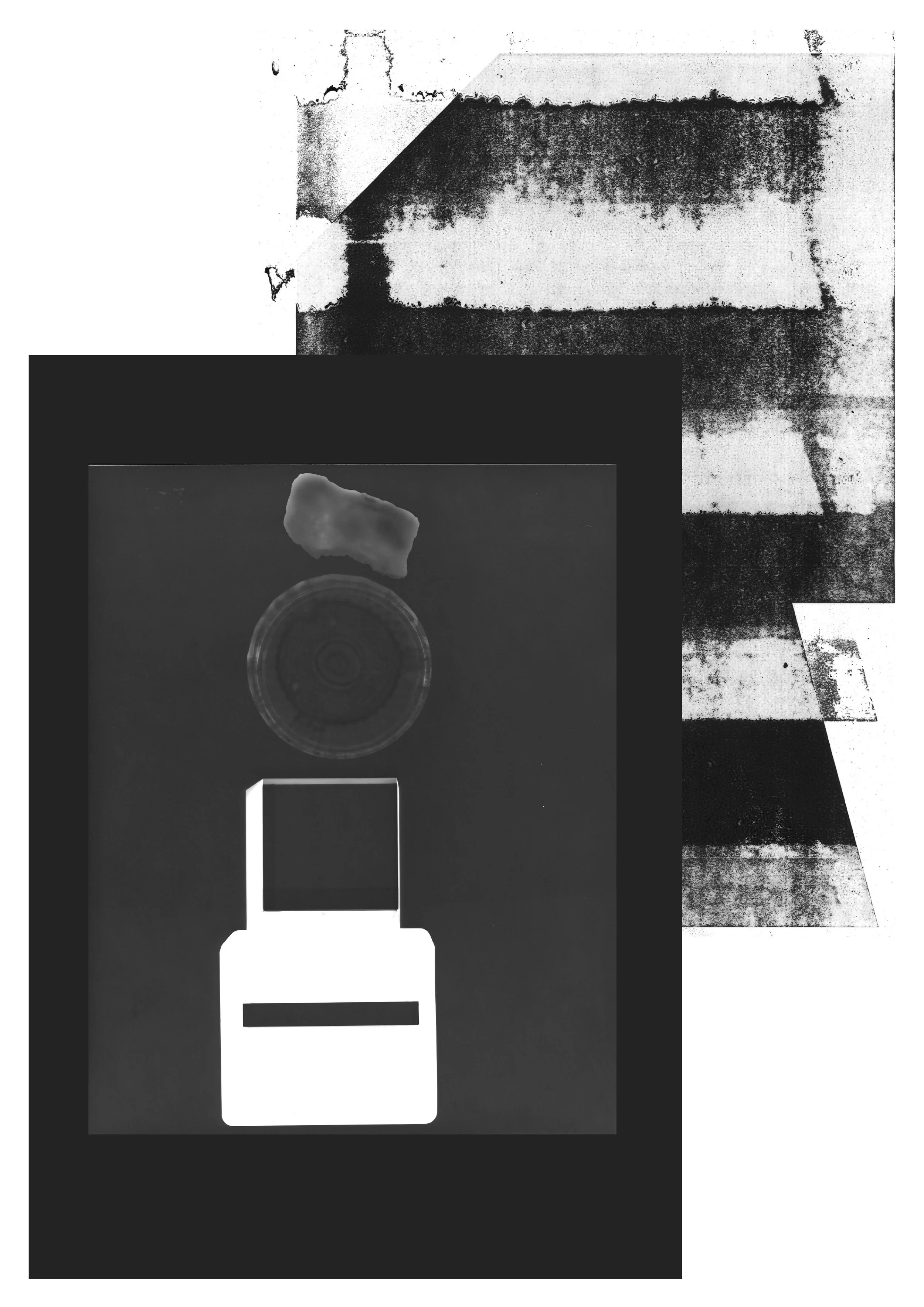
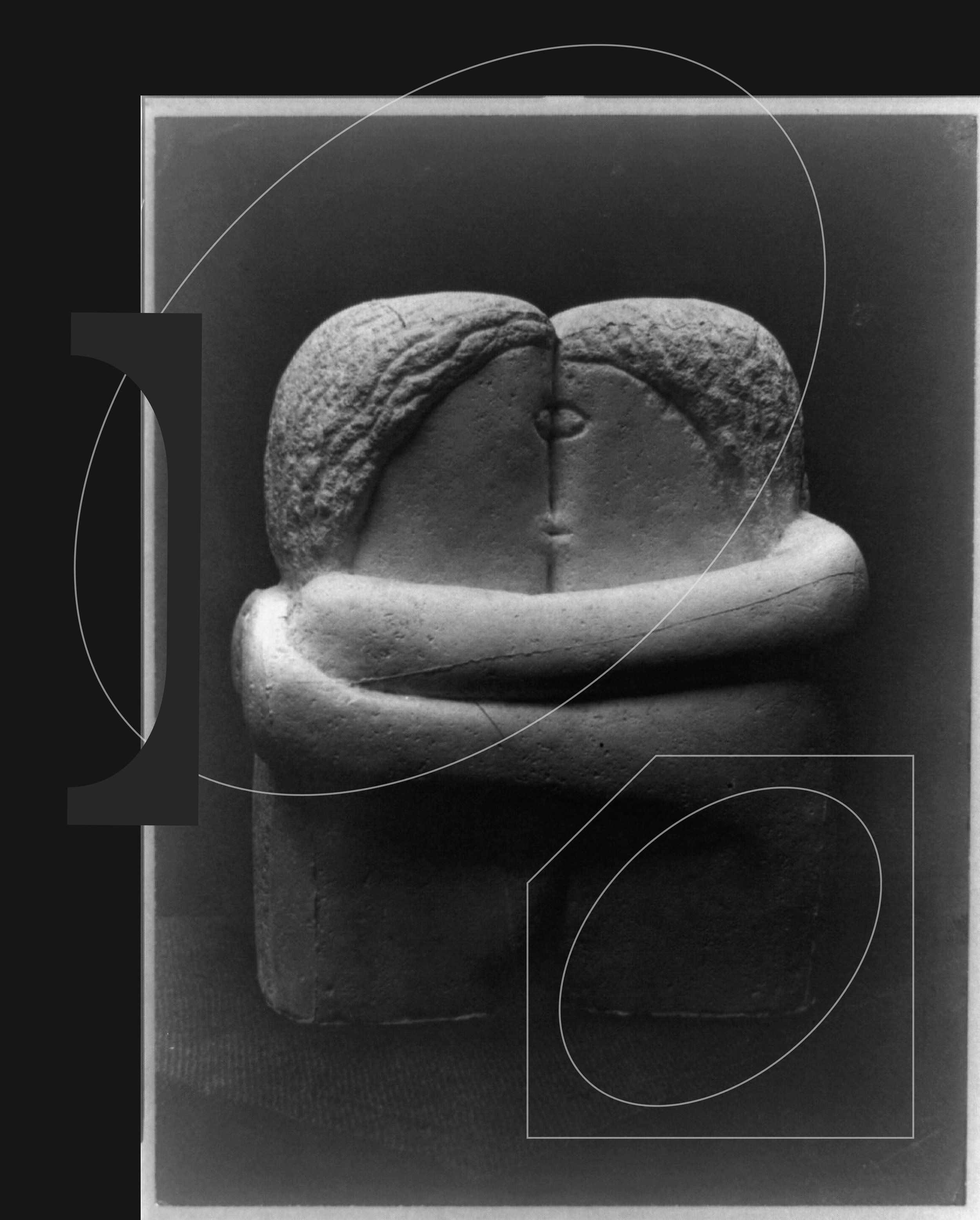
"Volume(s): the Essence of Form" explores materiality and the boundaries of sculptural language through the lens of image-making and typography—asking whether an image can be a sculpture by layering materials and light to capture the essence of objecthood.
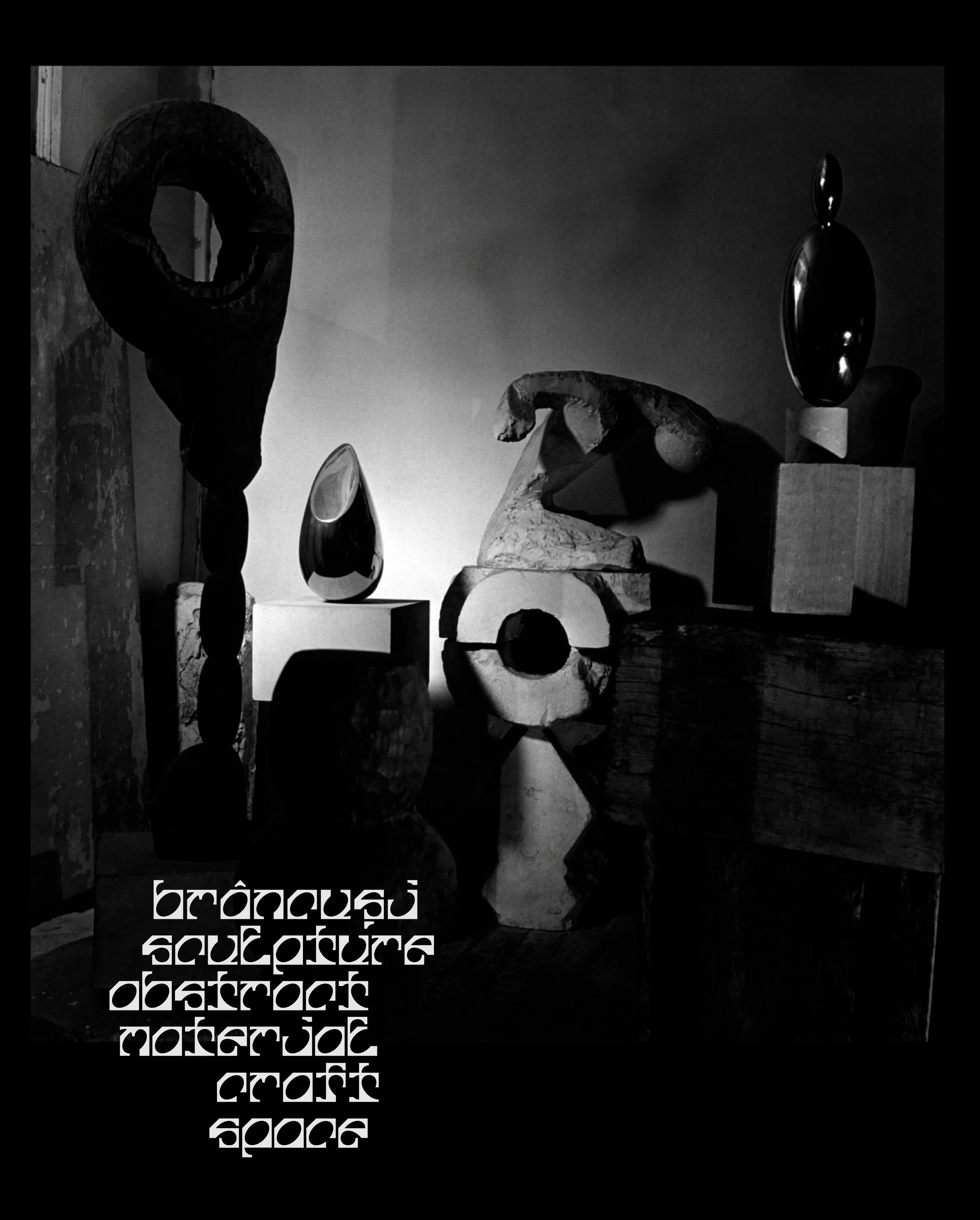
The project began as a case study of Romanian sculptor Constantin Brâncuși's work and its connections to designers and artists such as Max Bill, Adrian Frutiger, and Man Ray.
For Brâncuși, a sculpture extended beyond its form into the surrounding space, with the base serving not as neutral support but as an integral component of the work.
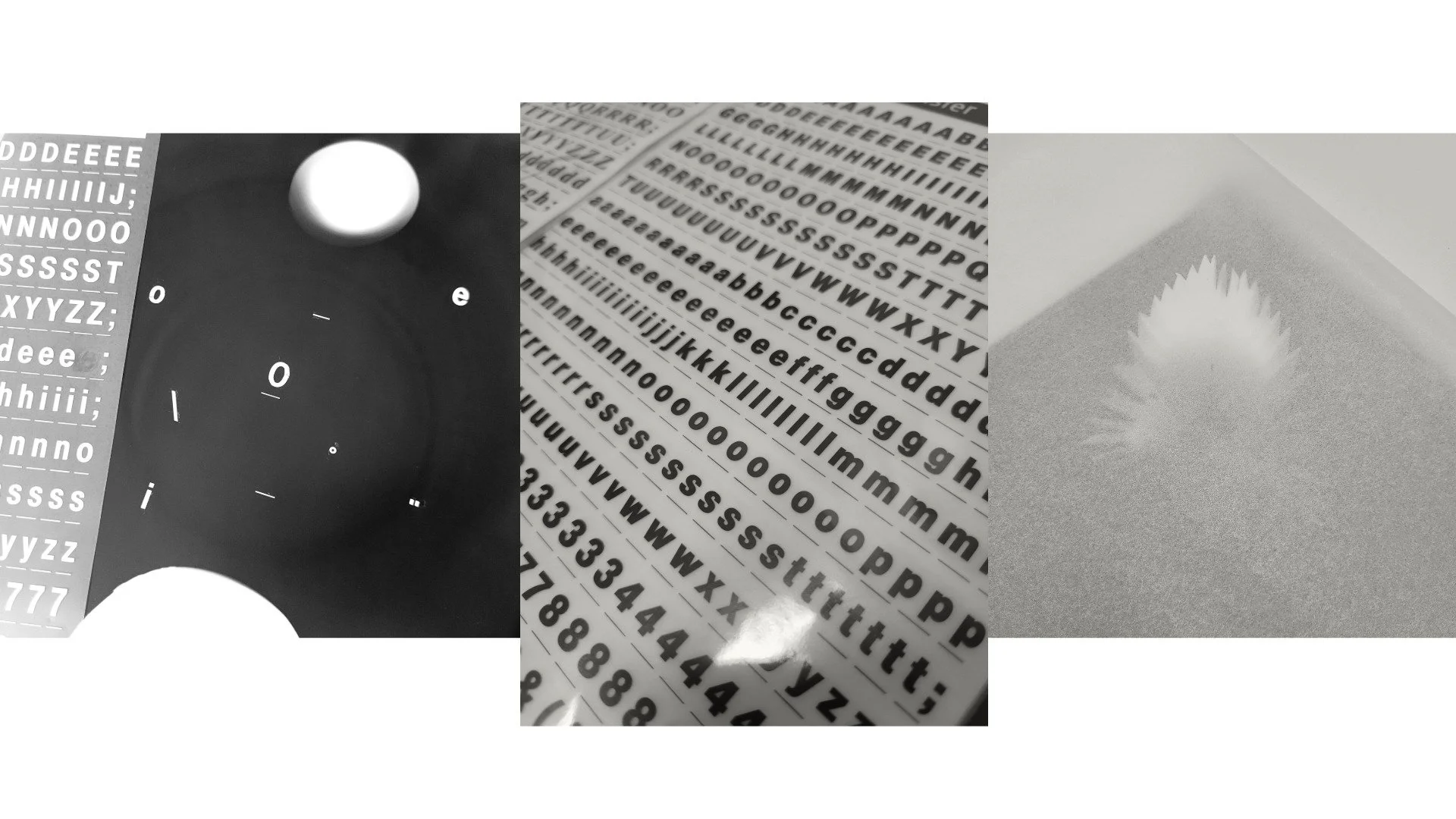
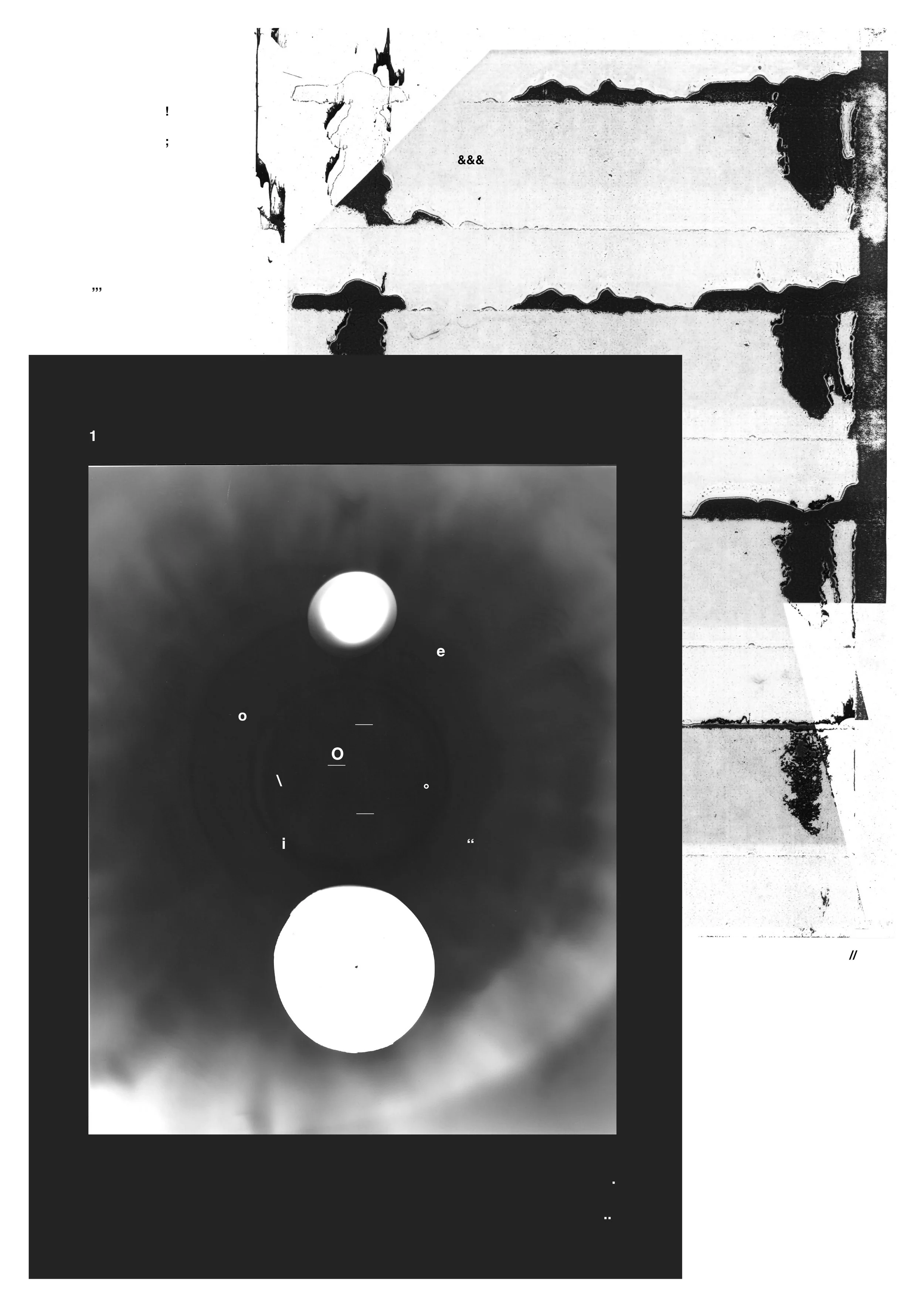
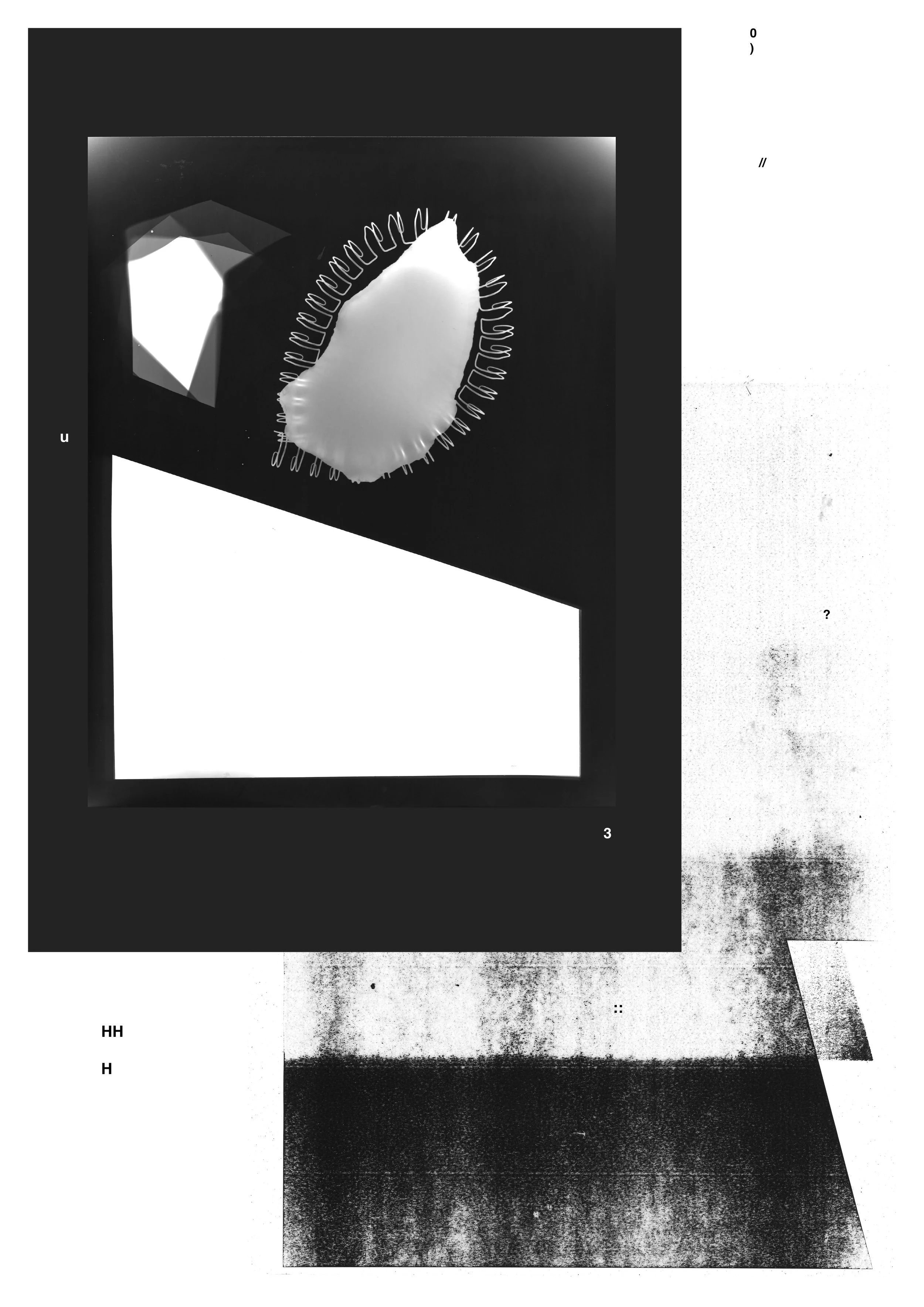
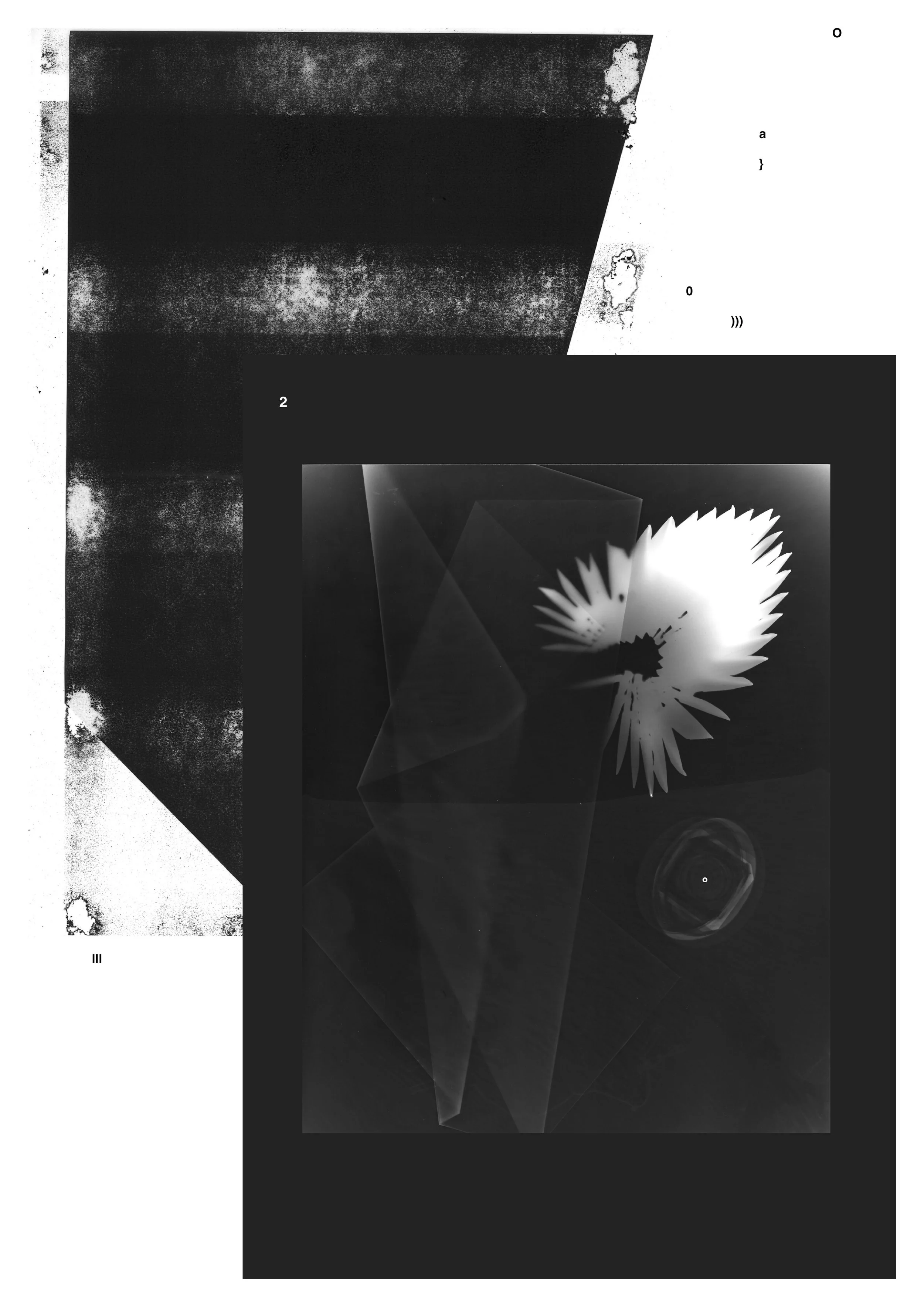
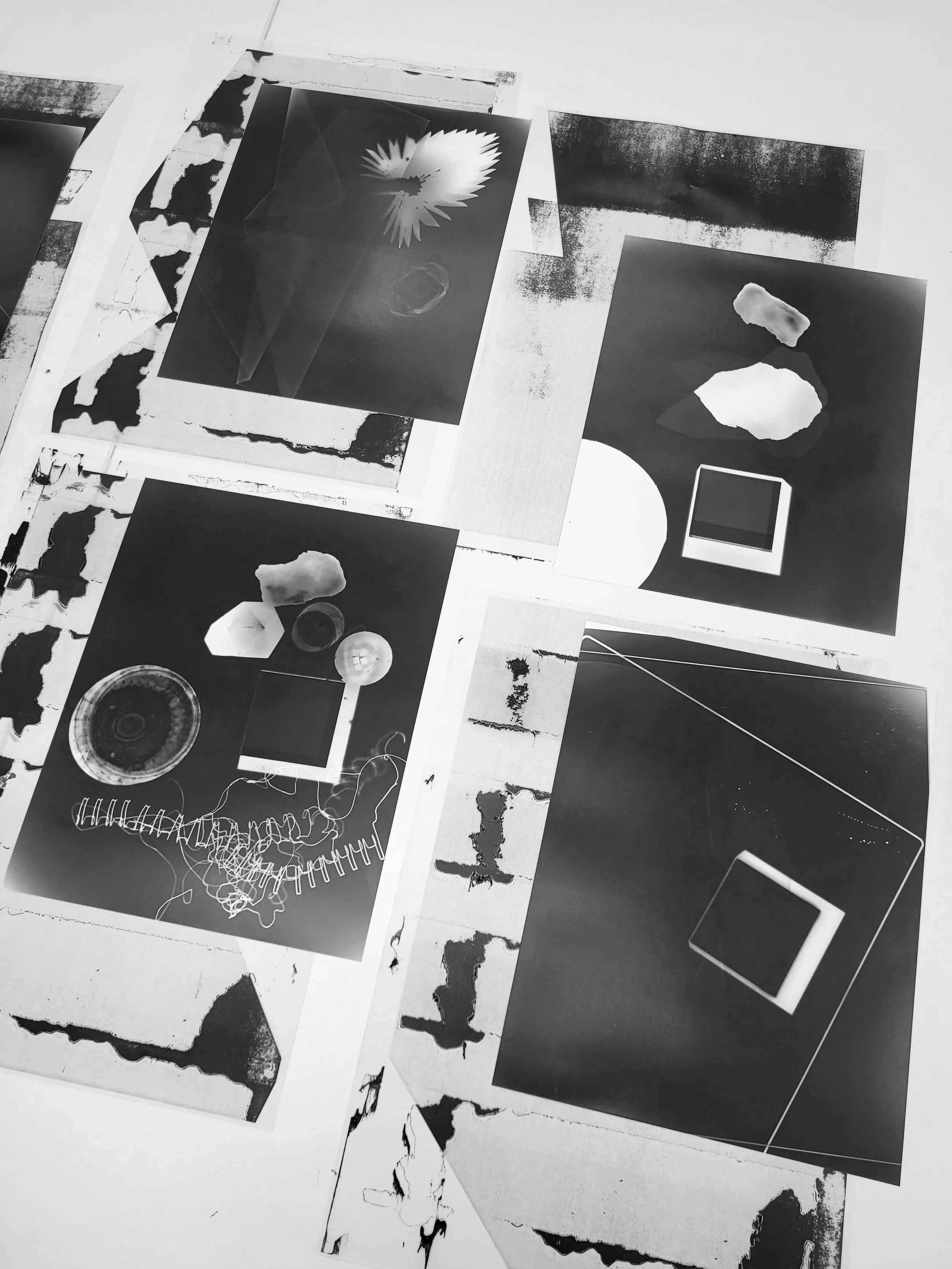
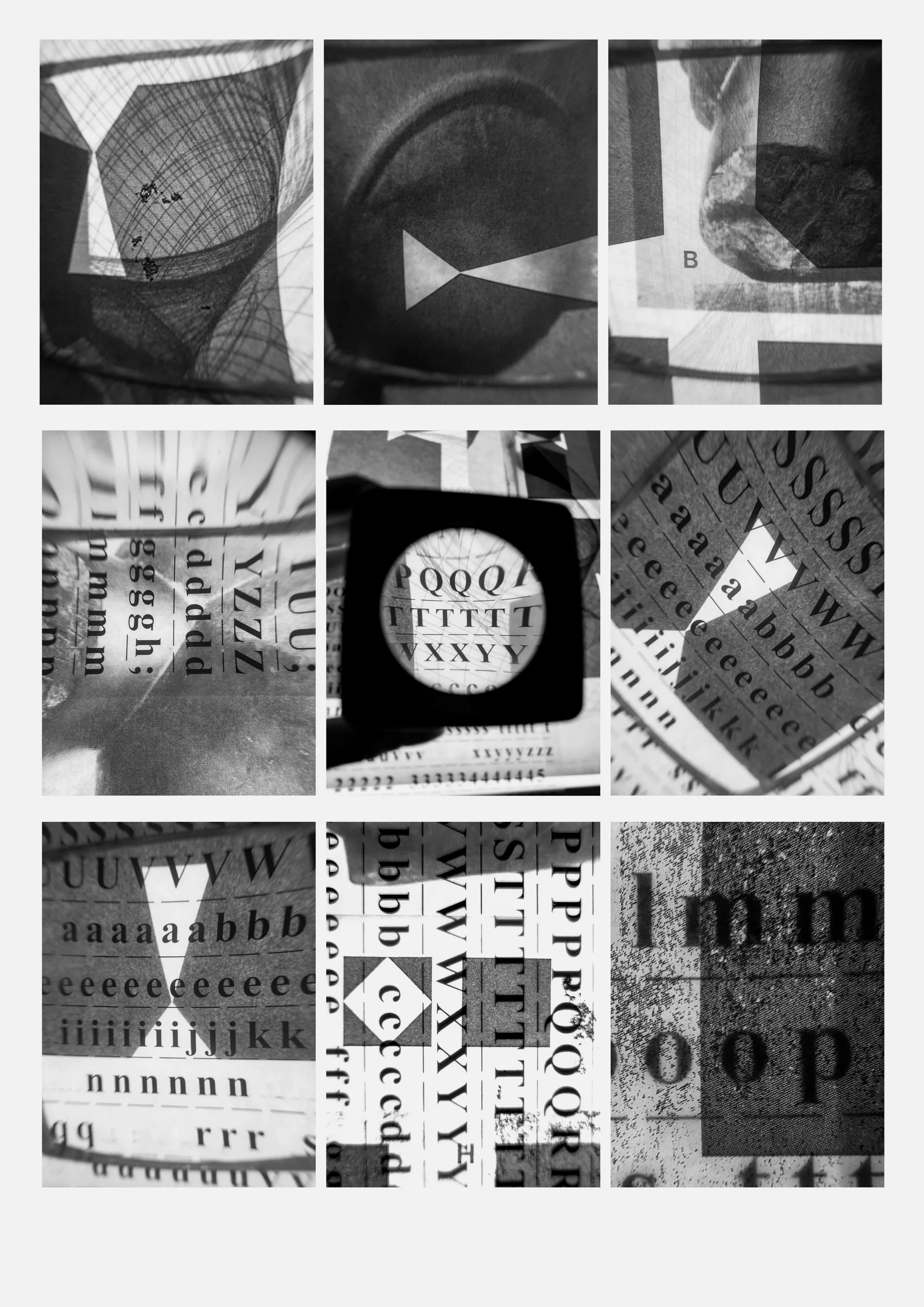
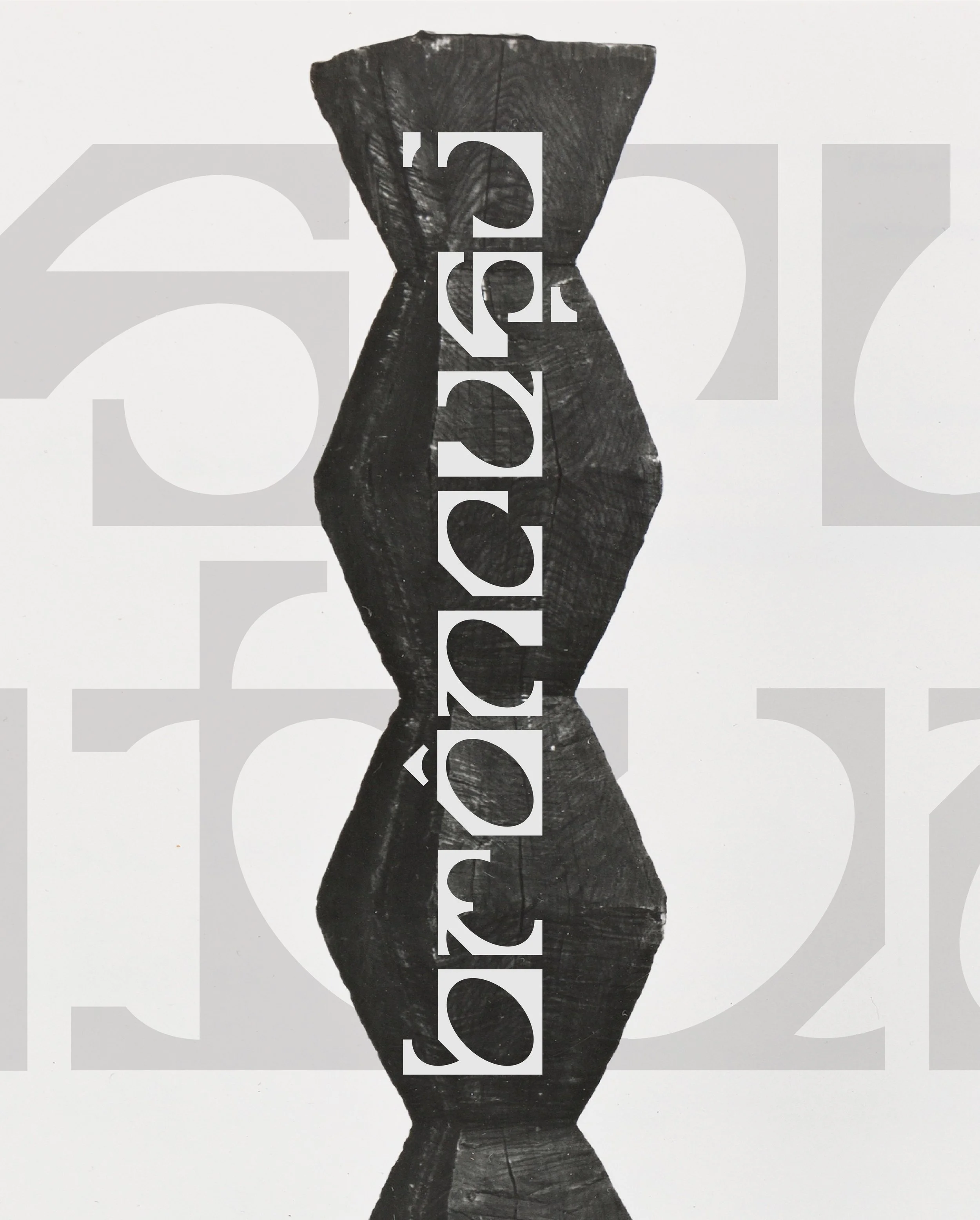
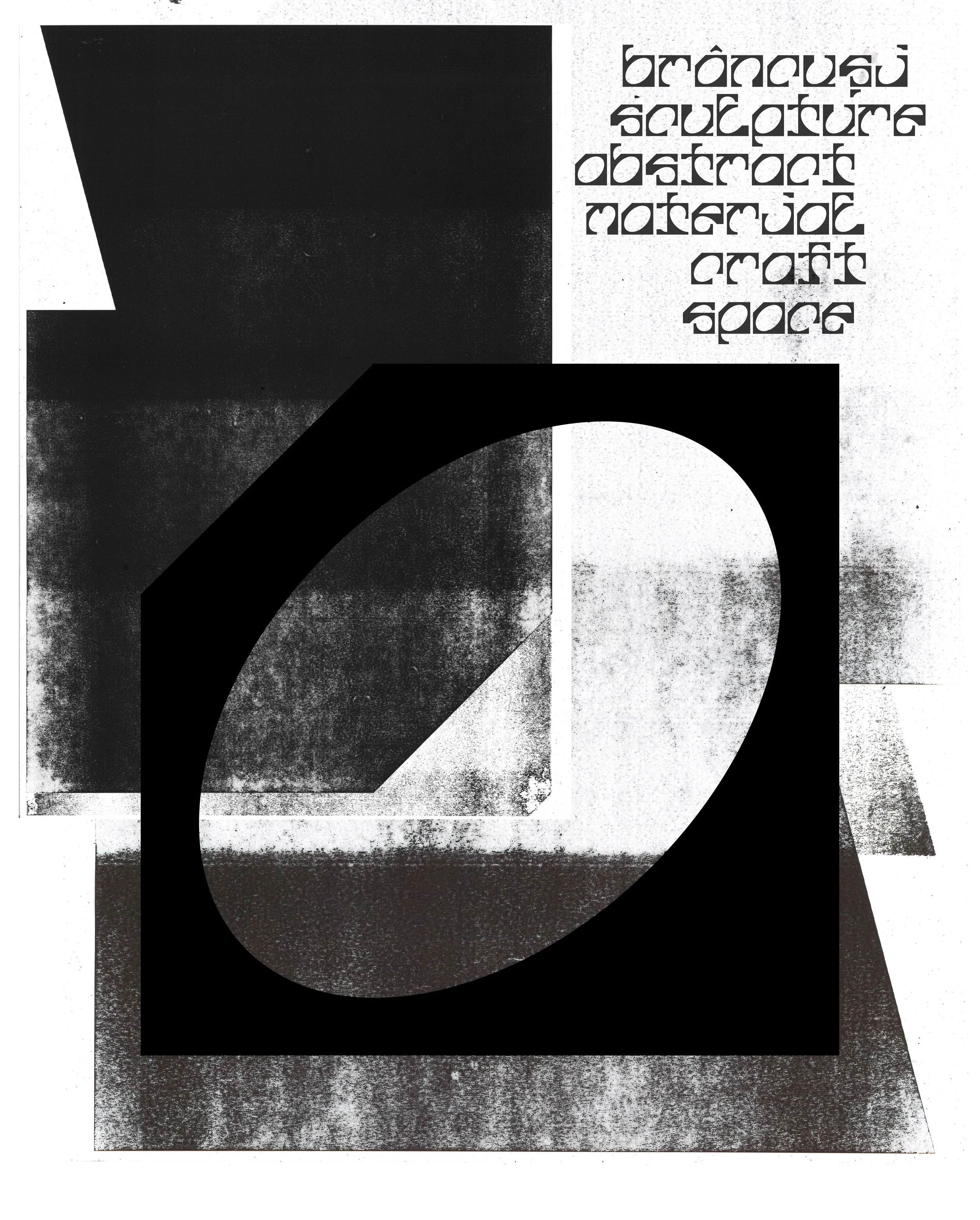
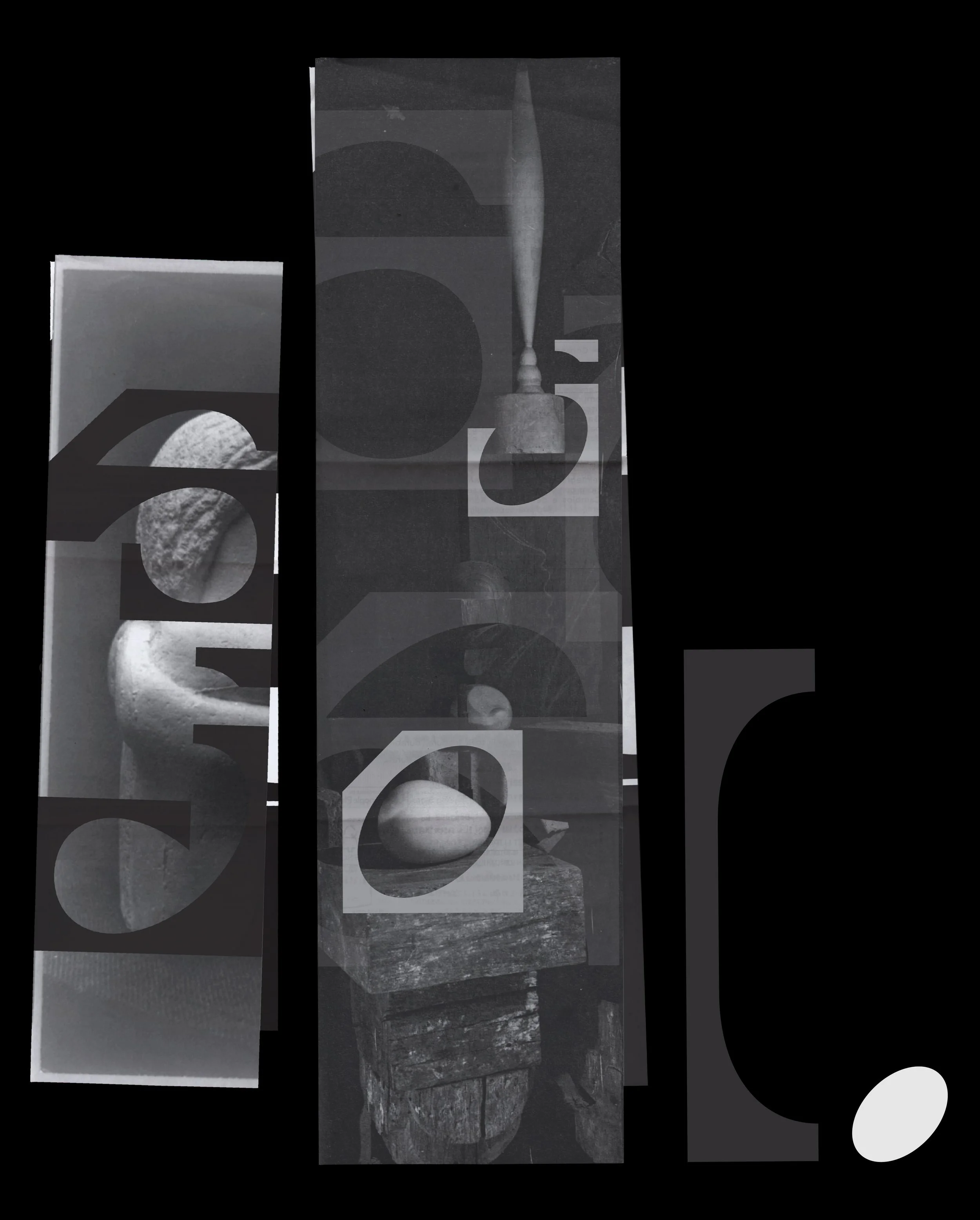
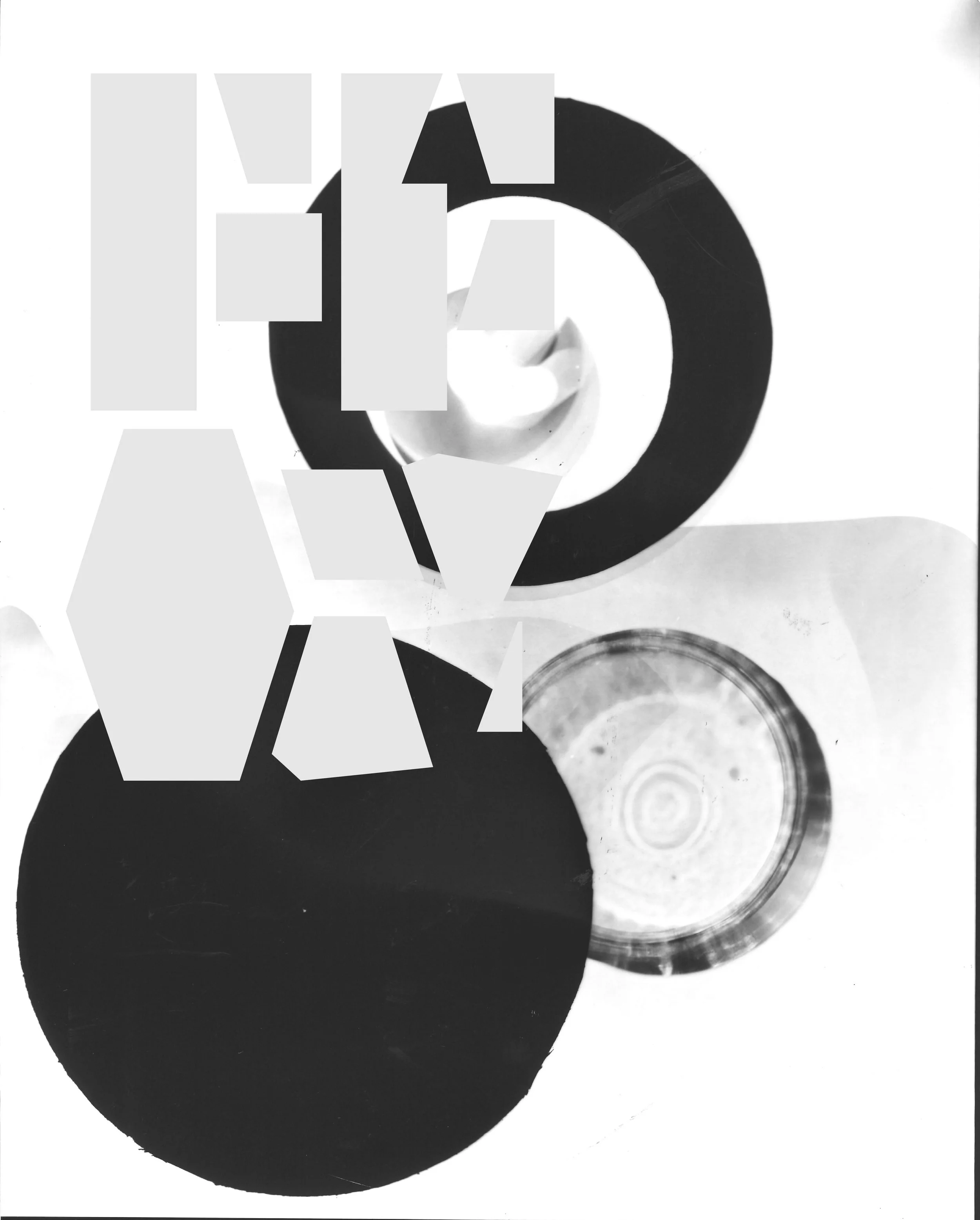
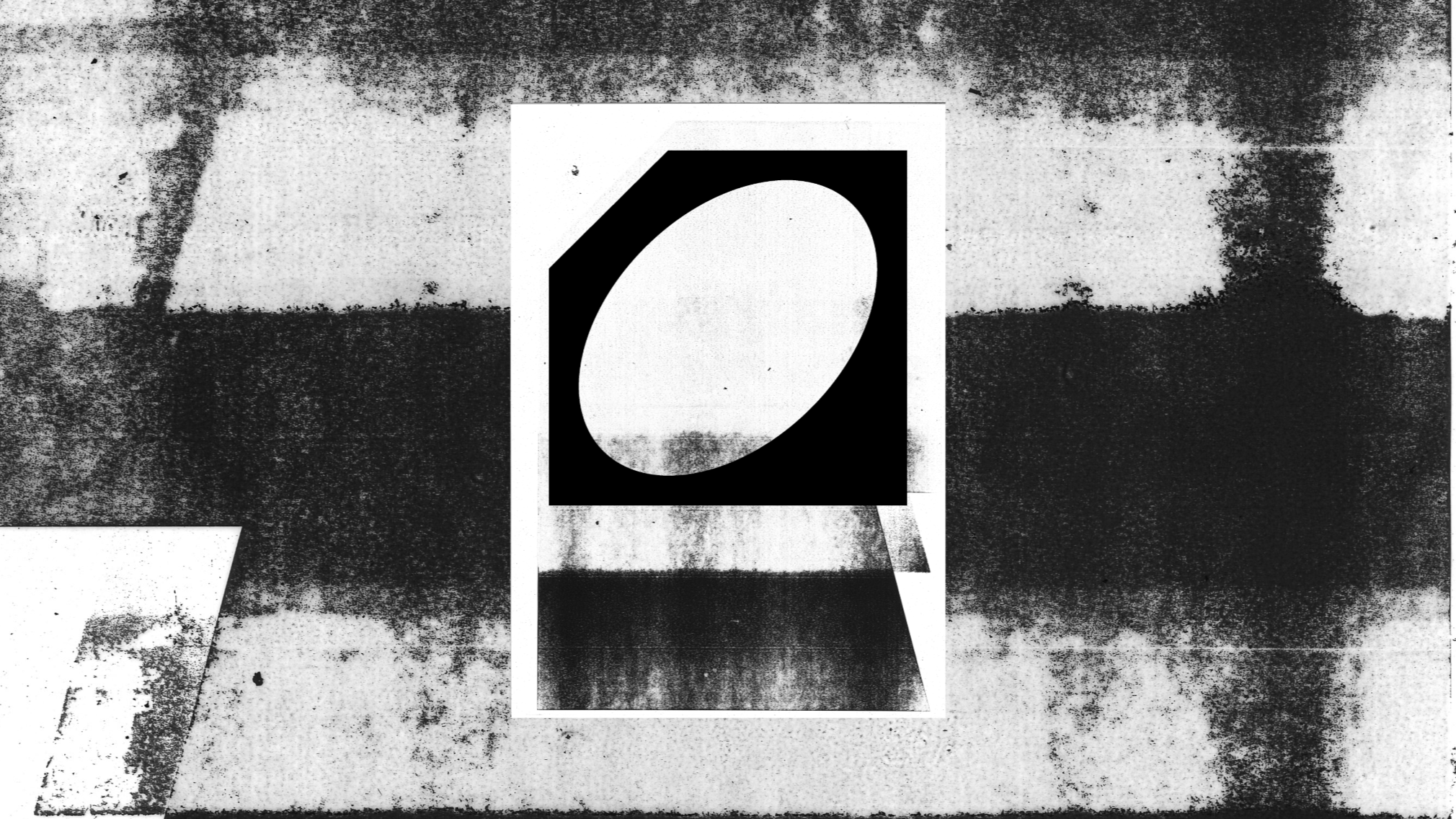
Drawing from this idea, the project uses visual layers where photograms are assembled with prints, Letraset (dry-transfer lettering), and frames that extend the imagery, bleeding into shapes and forms—"shadows" of the image body.
The outcomes invite viewers to reflect on the nature of volume and form, and what happens at the intersection of visual disciplines. The video documentation traces the journey from simple shapes through to the final photograms.
Theory - Medium Specificity
The project engages with medium specificity theory, which argues that each art form is determined by the nature of its medium (Carroll, 1985). This concept emphasises that each medium has distinct materiality, and that art objects can be judged by how well they capture the characteristics of their raw material.
Carroll, N. (1985), The Specificity of Media in the Arts. Journal of Aesthetic Education, 19 (4), 5-20.
Photograms
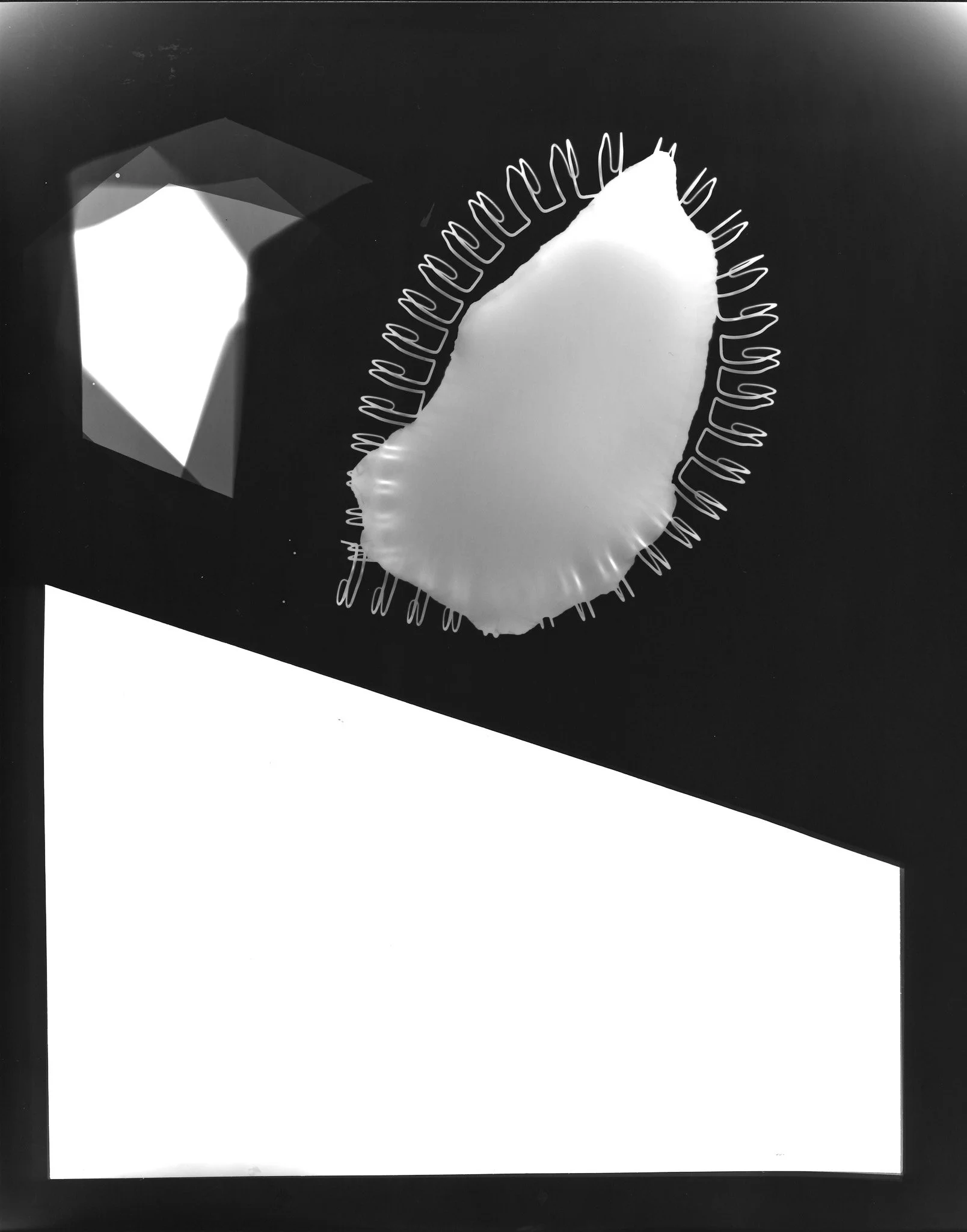
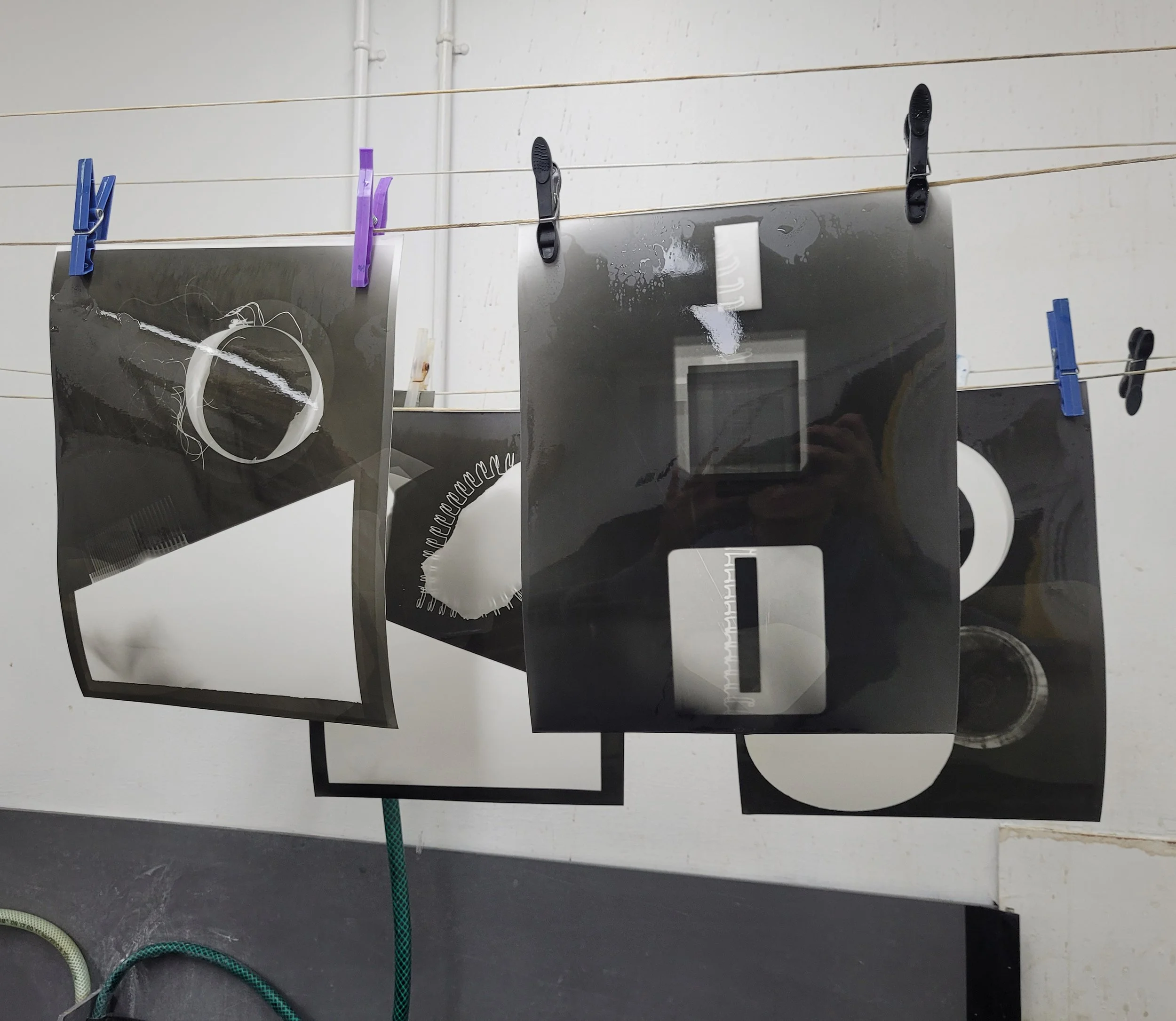
Photograms are camera-less photographic images created by placing objects directly onto light-sensitive paper and exposing them to light. They are a key component of the visual methodology.
The photograms use Ilford MULTIGRADE RC DELUXE Satin black and white photo paper, 190gsm, in size 24 x 30.5 cm (9.5 x 12"). They were created in the darkroom using various objects, including custom-made stencils, mirrors, stones, folded paper, glass in different shapes, and other found materials, along with a darkroom enlarger kit. Objects were selected for their varying sizes, opacities, and forms to achieve a sculptural effect.
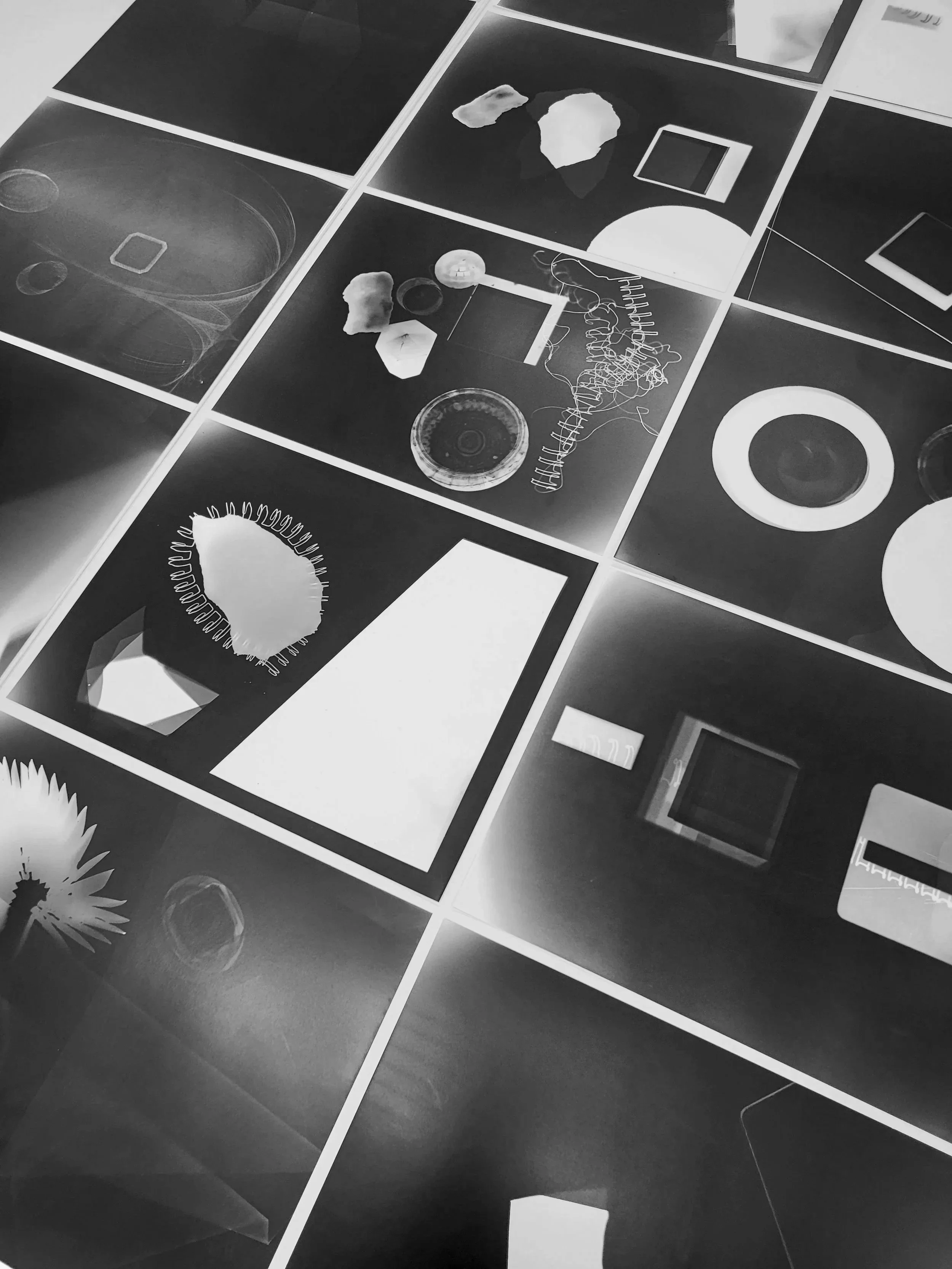
The video documents the research-practice journey: from simple shapes to letterform experiments, prints, and finally a custom-built typeface and photograms.
Letterform Experimentation
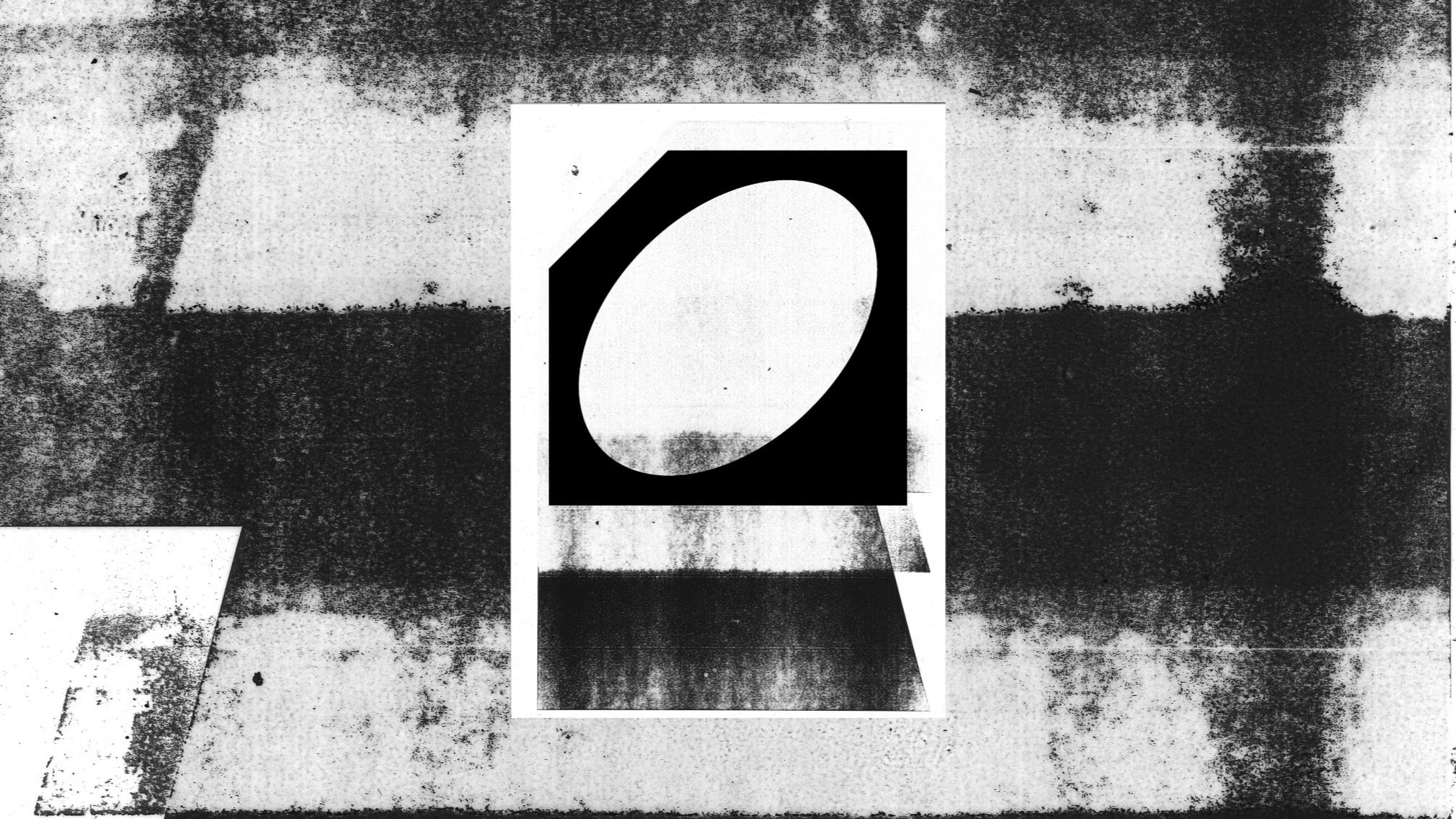
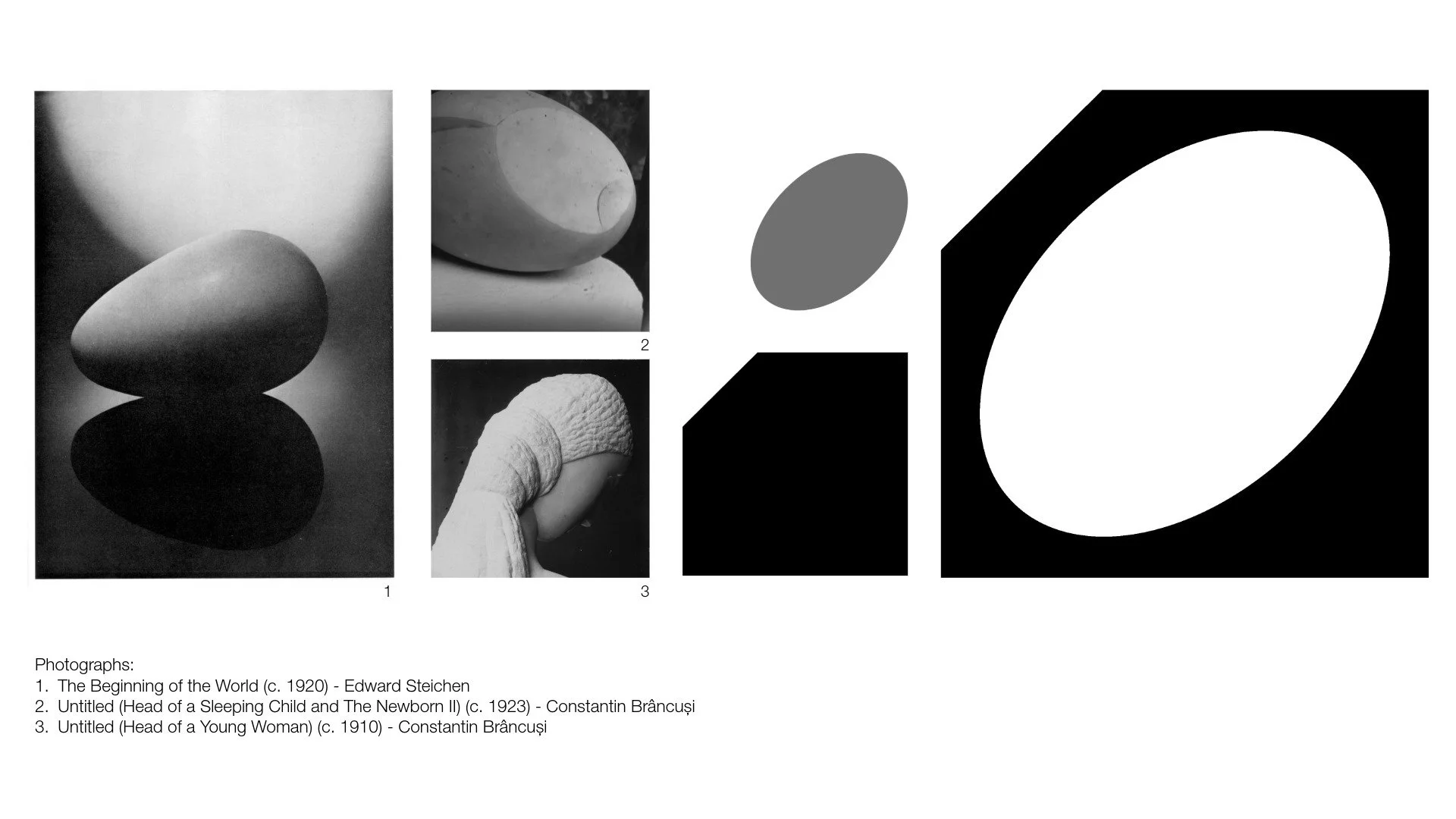
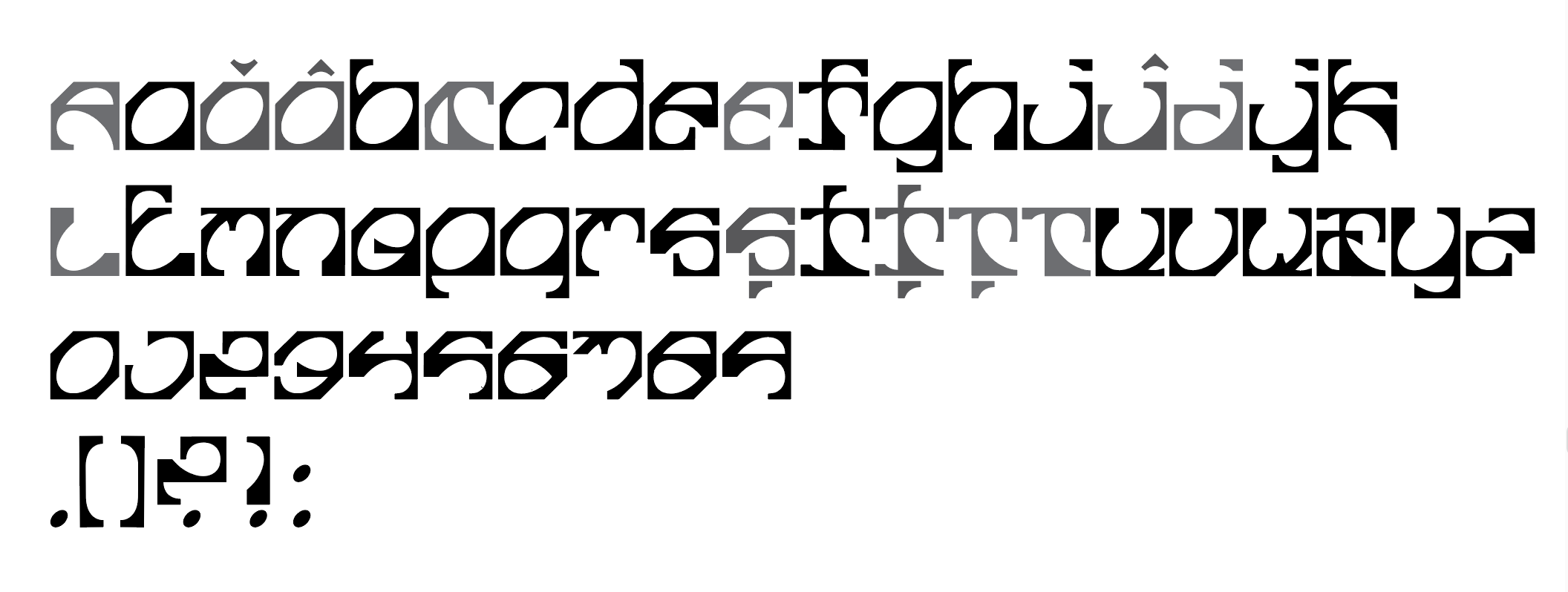
The typographic experimentation began with an ovoid as the counter of each letter form, carved away from the geometric mass.
The rule was to preserve the ovoid's appearance in every letter while sculpting around it to reveal familiar forms and preserve as much anatomical integrity as possible. The ovoid is a recurring motif in Brâncuși's sculptural work and visual language.
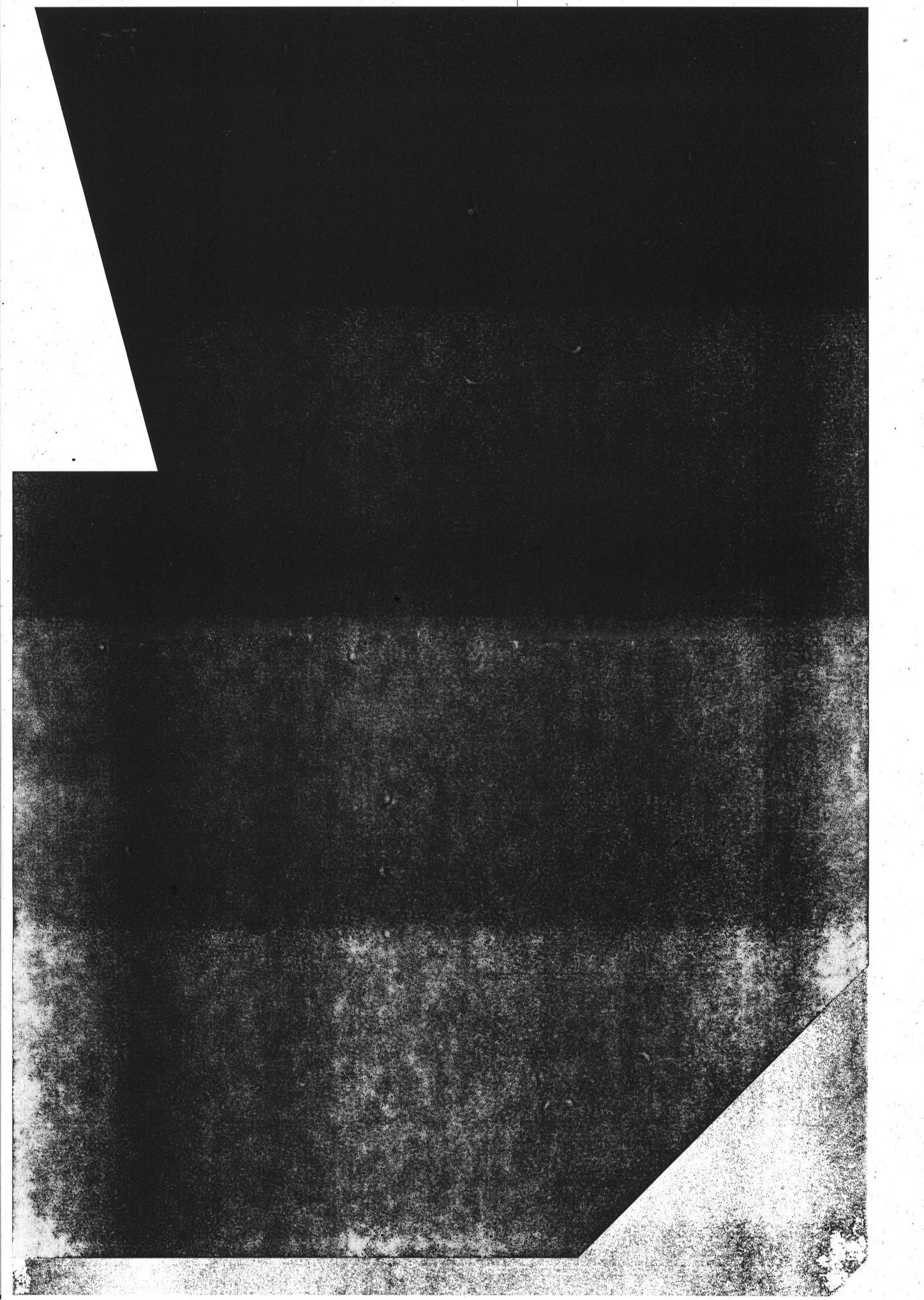
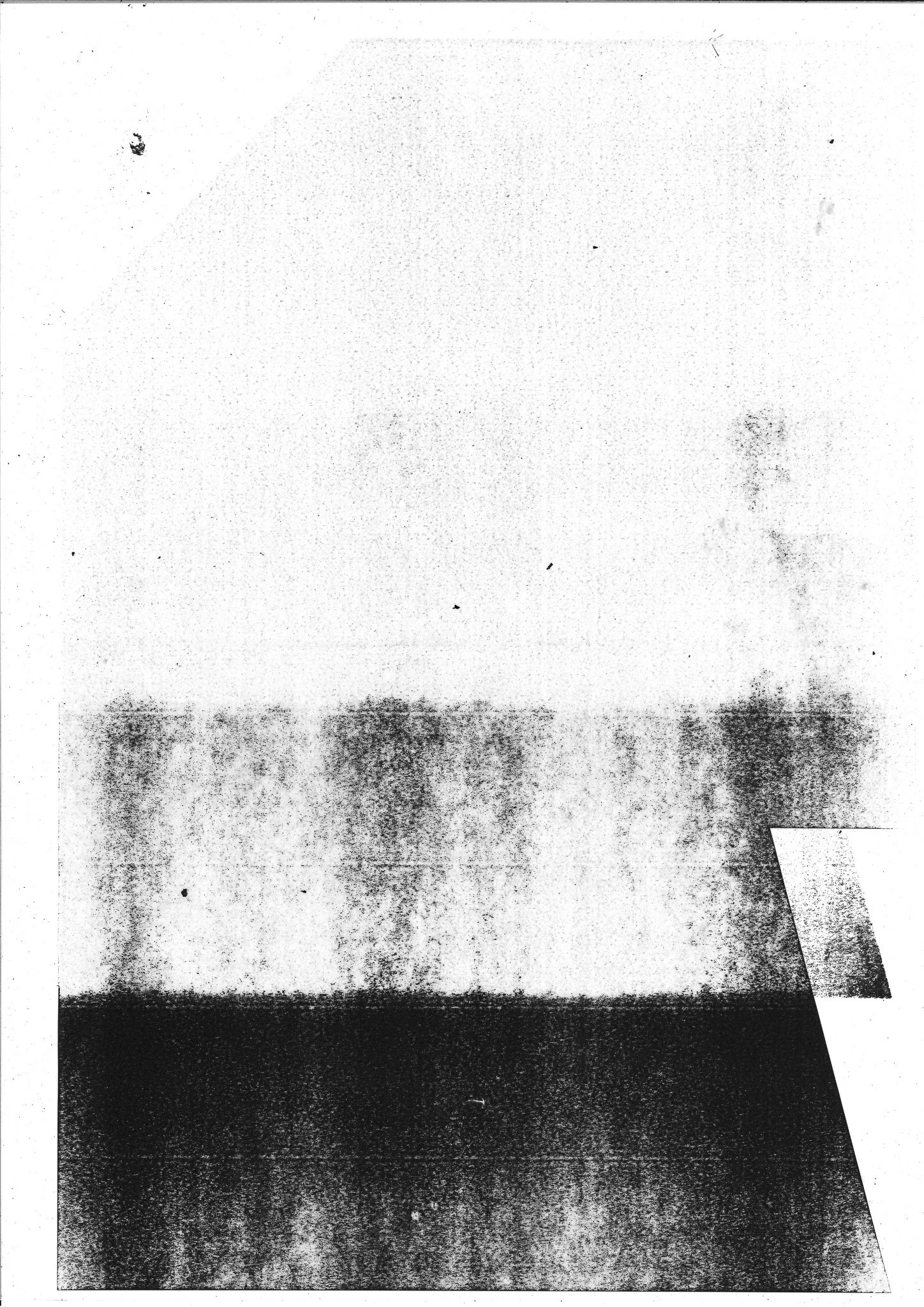
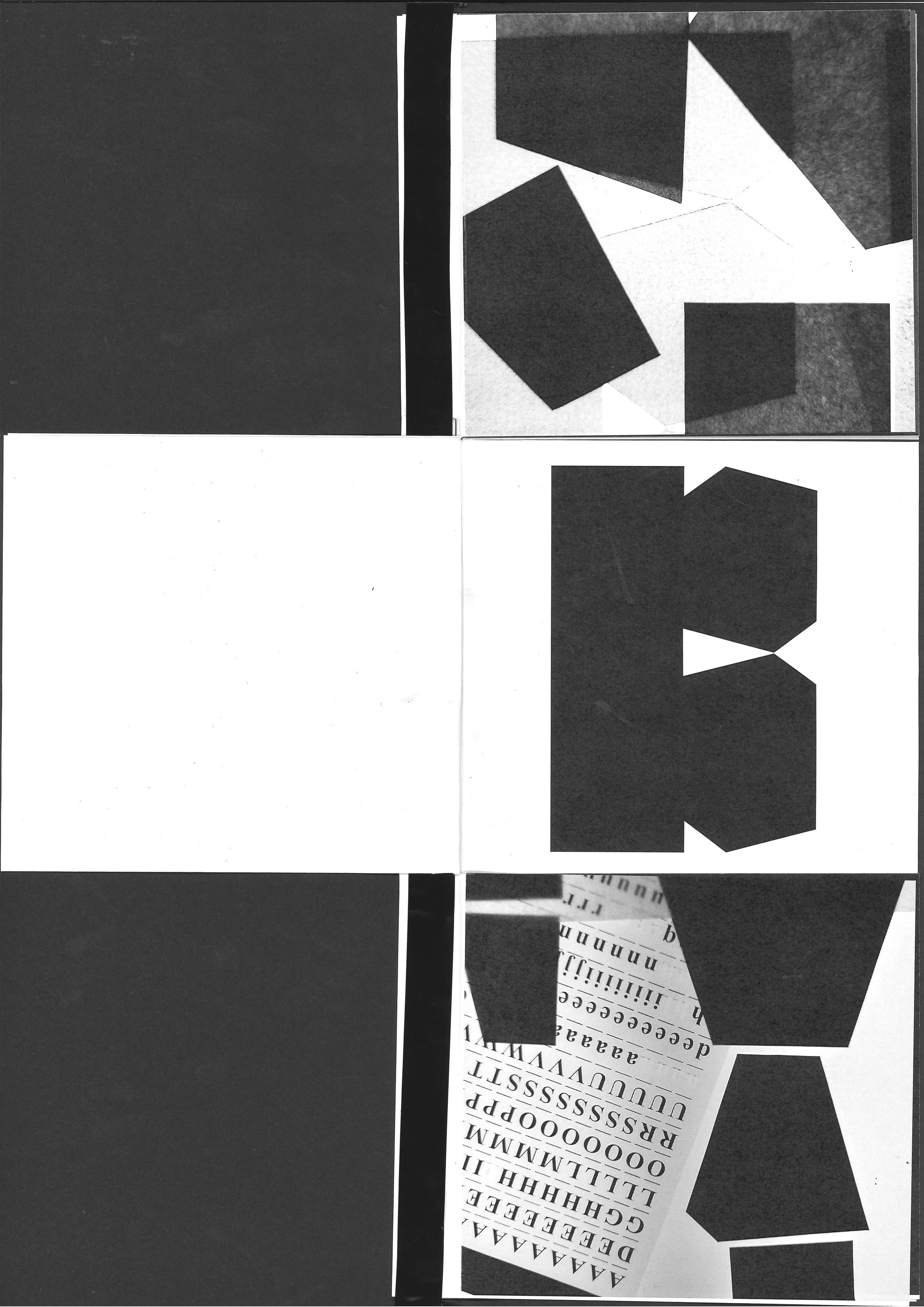
The prints are individual tiled sections of letterforms, printed on A3 tracing paper, scanned, and then printed again to create the texture and resize.
Letraset and Assemblage
Letraset (dry-transfer lettering) serves as one of the layered materials in the assemblage process. The use of letters alludes to concrete poetry and directly involves text as an active element in the visual work. The typeface used is Helvetica in Medium Condensed 7mm white and Bold Condensed 5 mm black.
The visual layers combine photograms with prints, Letraset, and frames that extend the imagery—creating compositions that invite reflection on volume, form, and the intersection of visual disciplines. The final size is A2.